
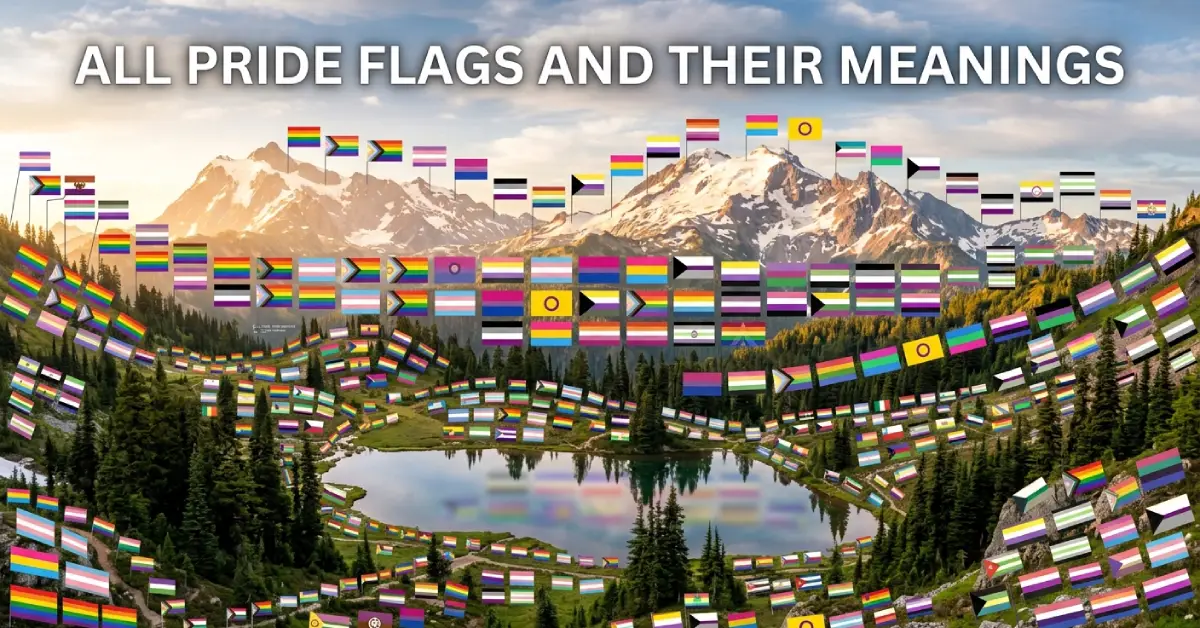
Pride flags are colorful symbols of identity, community, visibility, and support. Learning about all pride flags and their meanings helps readers understand the different identities represented across the LGBTQ+ community.
From the classic rainbow design to flags representing specific gender identities and sexual orientations, every flag has a story. This guide to all pride flags and their meanings explores their colors, history, symbolism, and purpose.
23 Pride Flags and What They Mean
There are many Pride flags, with each design representing a specific identity, community, or form of support. Some are widely recognized, while others are less familiar.
This guide explores 23 Pride flags, including their colors, symbolism, history, and the communities they represent.
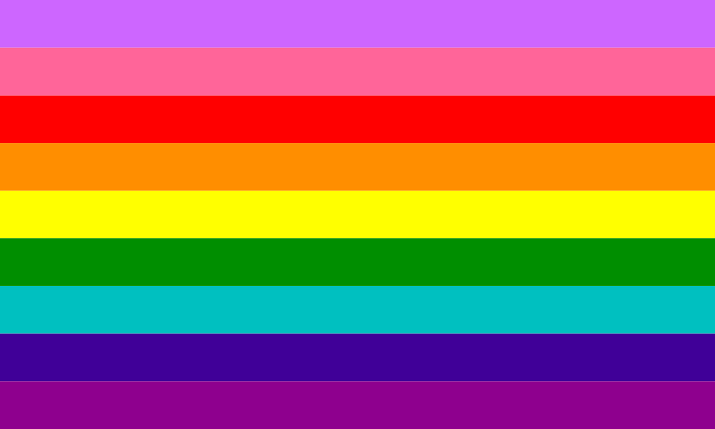
Gilbert Baker Pride Flag
The Gilbert Baker Pride Flag was created by artist and activist Gilbert Baker in 1977. Harvey Milk asked Baker to create a flag for the queer community.
The original flag had eight colors, and each color carried a specific meaning:
- Hot pink: sex
- Red: life
- Orange: healing
- Yellow: sunlight
- Green: nature
- Turquoise: magic and art
- Indigo: serenity
- Violet: spirit of LGBTQ+ people
The design was inspired by “Over the Rainbow.” For anyone exploring all pride flags and their meanings, the original Baker flag is an important part of Pride history.
6-Color Pride Flag
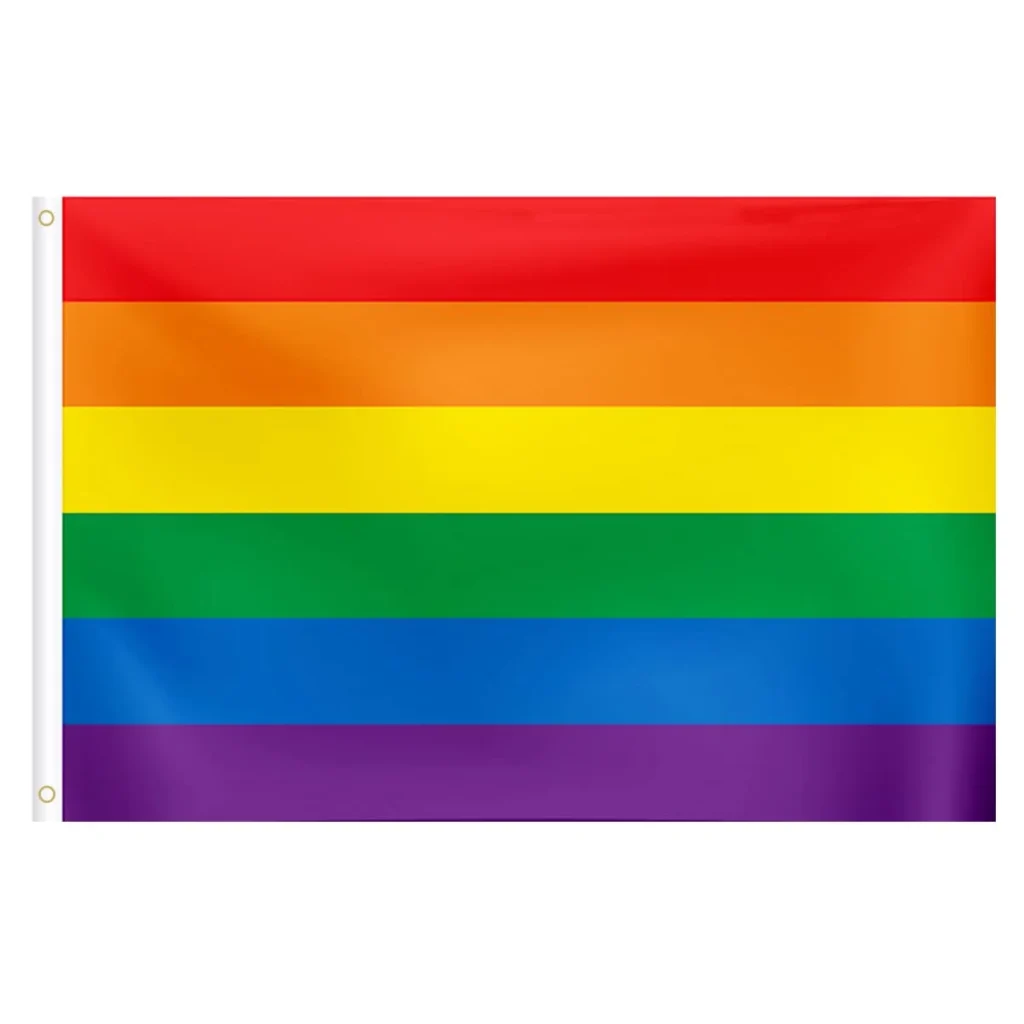
The six-color Pride Flag is the rainbow design most people recognize today. It contains red, orange, yellow, green, indigo, and violet stripes.
The original hot pink stripe was removed because of fabric availability. Turquoise was later removed so the flag could have an even number of stripes for parade banners.
The six-color version became a widely used symbol of LGBTQ+ Pride. Its rainbow pattern remains closely connected with visibility, community, and inclusion.
Philadelphia Pride Flag
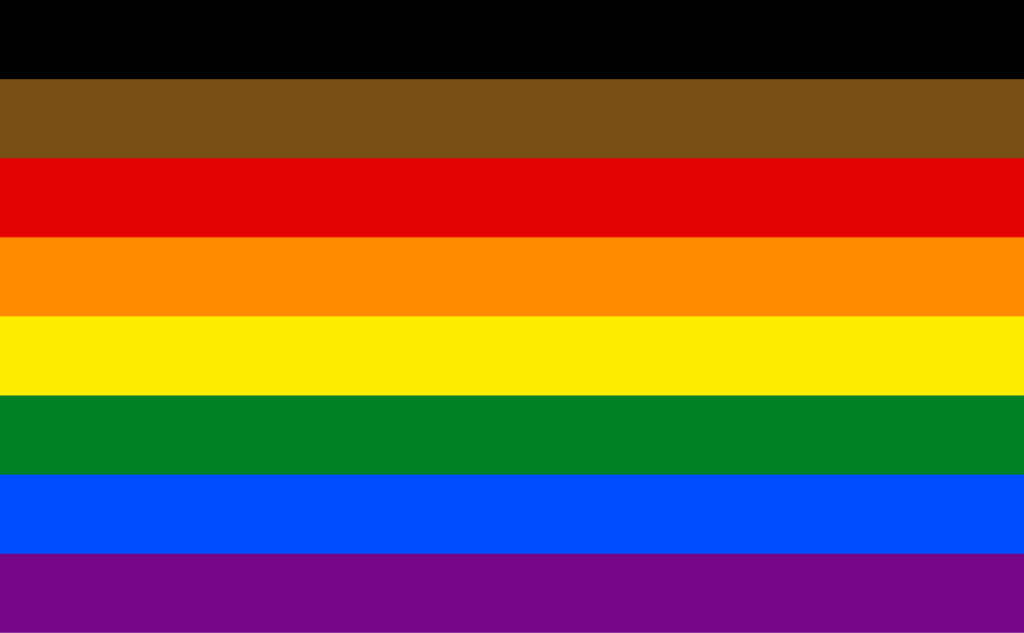
The Philadelphia Pride Flag was launched in 2017 as part of the “More Color More Pride” campaign. It added black and brown stripes to the traditional rainbow.
These additional colors were intended to represent people of color and bring greater attention to inclusivity within the LGBTQ+ community.
The design gained additional attention after Lena Waithe wore the flag-inspired design at the 2018 Met Gala. It is an important example when studying all pride flags and their meanings.
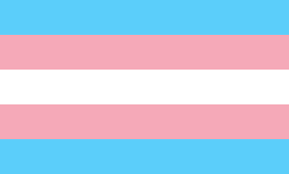
Transgender Flag
The Transgender Flag was created in 1999 by Monica Helms. It uses light blue, light pink, and white stripes.
Light blue and pink are traditionally associated with boys and girls. The white stripe represents intersex people, people who are transitioning, and people who do not identify with any gender.
The flag has become a recognizable symbol of transgender visibility. It can also communicate support and recognition for transgender people and their experiences.
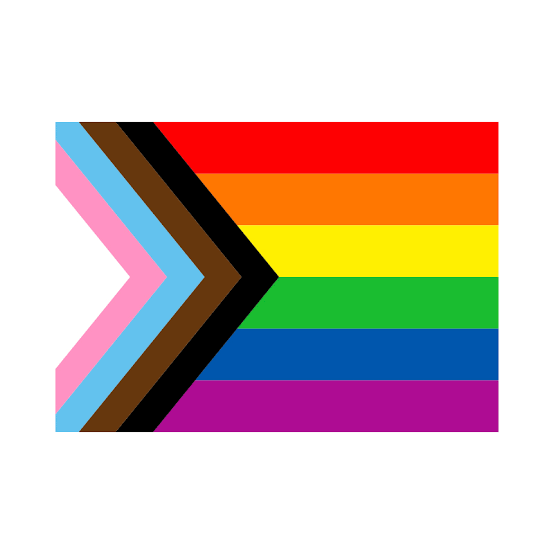
New Progress Pride Flag
The New Progress Pride Flag brings together elements from several Pride flag designs. It focuses on inclusion and progression within the LGBTQ+ community.
Daniel Quasar’s design added transgender colors along with black and brown stripes. The black and brown colors also represent people living with or who have died from HIV/AIDS and the stigma associated with it.
In 2021, Valentino Vecchietti revised the design to include the intersex flag. The yellow triangle and purple circle represent intersex inclusion.
For readers learning all pride flags and their meanings, the New Progress Pride Flag shows how different symbols can be combined to emphasize inclusion.
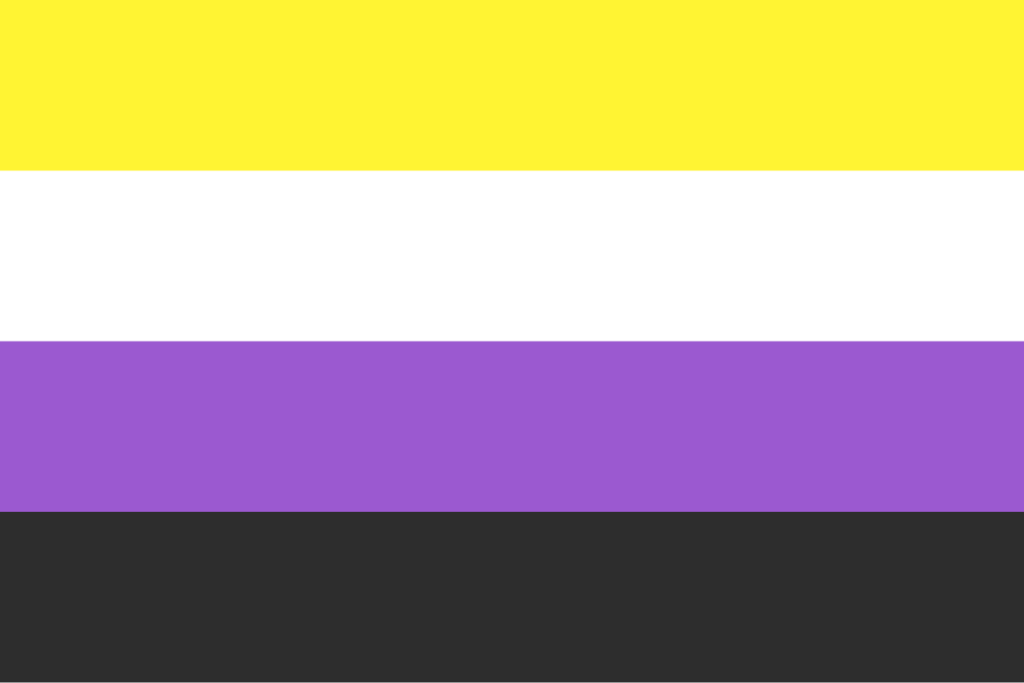
Nonbinary Flag
The Nonbinary Flag was created in 2014 by Kye Rowan. It contains yellow, white, purple, and black stripes.
Each color has a particular meaning:
- Yellow: genders outside the traditional binary
- White: people with many or multiple genders
- Purple: a blend of male and female
- Black: agender identity
Some nonbinary people use gender-neutral pronouns. The flag provides a visual symbol for people whose gender does not fit neatly into the traditional male-female binary.
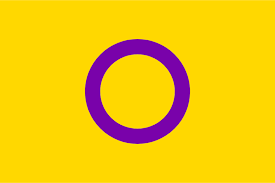
Intersex Flag
The Intersex Flag was selected by Morgan Carpenter in 2013. Its yellow and purple design moves away from traditional rainbow and gender-binary symbolism.
A purple circle sits in the center of the flag. The circle represents wholeness and completeness.
The design gives intersex people a distinct symbol of identity and community. It is another important design to understand when researching all pride flags and their meanings.
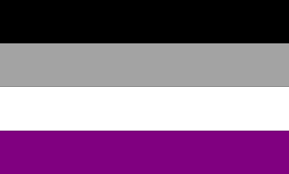
Asexual Flag
The Asexual Flag was created in 2010 by the Asexual Visibility and Education Network. Asexuality can involve an absence or low level of sexual attraction.
The colors are commonly described as:
- Black: asexuality
- Gray: demisexuality
- White: allies
- Purple: community
Asexual experiences can vary between individuals. The flag provides a shared symbol for people who identify with the asexual spectrum.
Read More: Ford Dashboard Symbols and Meanings Guide
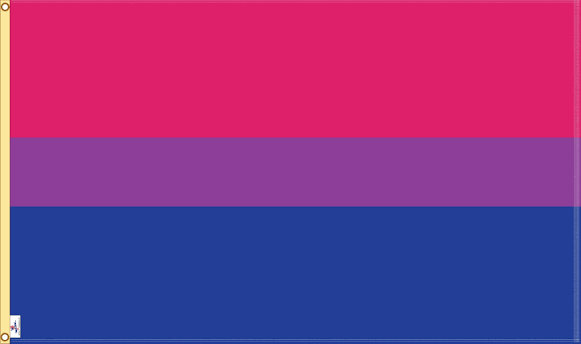
Bisexual Flag
The Bisexual Flag was created in 1998 by Michael Page. It uses pink, purple, and blue to represent attraction toward more than one gender.
Pink represents same-gender attraction, while blue represents different-gender attraction. Purple represents attraction to two or more genders.
The flag is widely associated with bisexual visibility and community. Its three-color design has become one of the most recognizable sexual orientation flags.
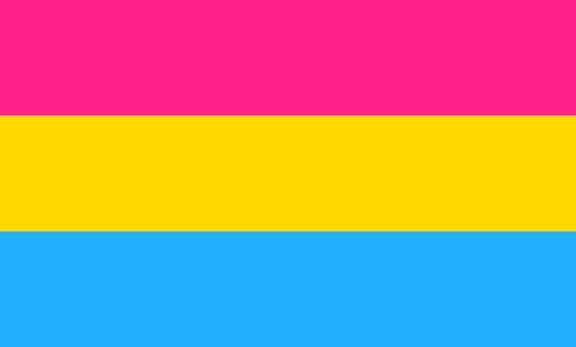
Pansexual Flag
The Pansexual Flag was created in 2010. It represents attraction where gender is not the determining factor.
The flag has pink, blue, and yellow stripes. Pink represents women, blue represents men, and yellow represents people who do not identify as either gender.
Pansexuality is often described as attraction that does not depend on gender. This makes the flag a useful example when exploring all pride flags and their meanings.
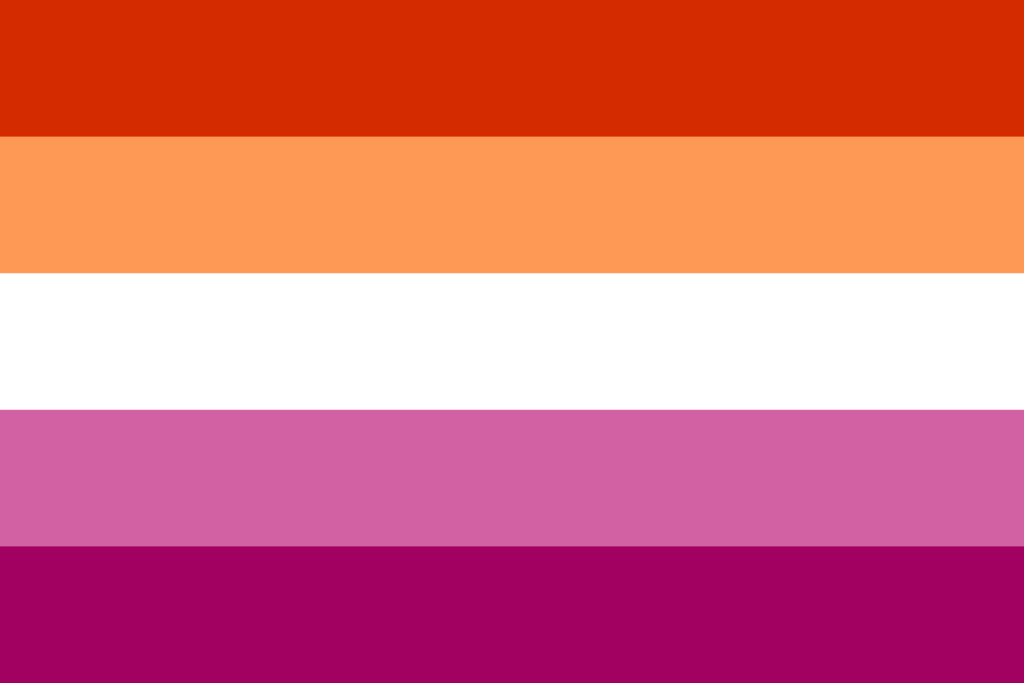
Lesbian Flag
Several Lesbian Pride Flag designs have been used over time. Some versions use different shades of pink, while another design combines orange, white, and pink stripes.
The newer design gives its colors specific meanings:
- Dark orange: gender nonconformity
- Orange: independence
- Light orange: community
- White: unique relationships to womanhood
- Light pink: serenity and peace
- Pink: love and sex
- Dark pink: femininity
A red kiss symbol has also been associated with lipstick lesbians. The changing designs reflect different conversations about representation and inclusion.
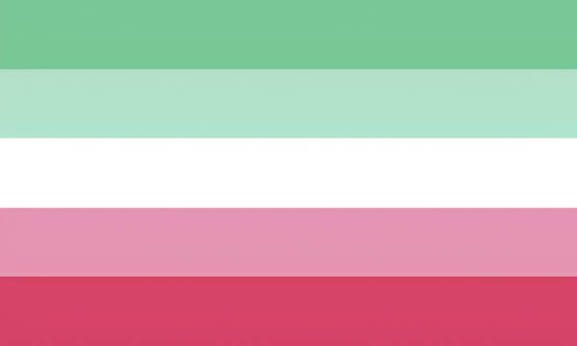
Abrosexual Flag
The Abrosexual Flag has existed since 2015. It was created by Mod Chad after an anonymous request.
Abrosexuality describes a sexuality that can change or fluctuate over time. These changes may occur over hours, days, months, or years.
The pattern of change can vary from person to person. Understanding all pride flags and their meanings includes recognizing identities where attraction may be fluid.
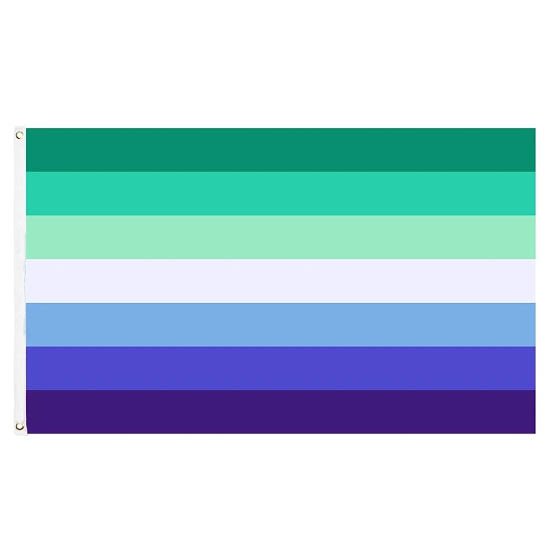
Gay Men’s Pride Flag
The Gay Men’s Pride Flag is a lesser-known design that uses green, blue, and purple shades.
The modern version developed from an earlier blue-toned flag. It was designed to represent a wider range of gay men, including transgender, intersex, and gender-nonconforming men.
The flag provides a specific symbol for gay men while recognizing that gender identity and gender expression can vary within the community.
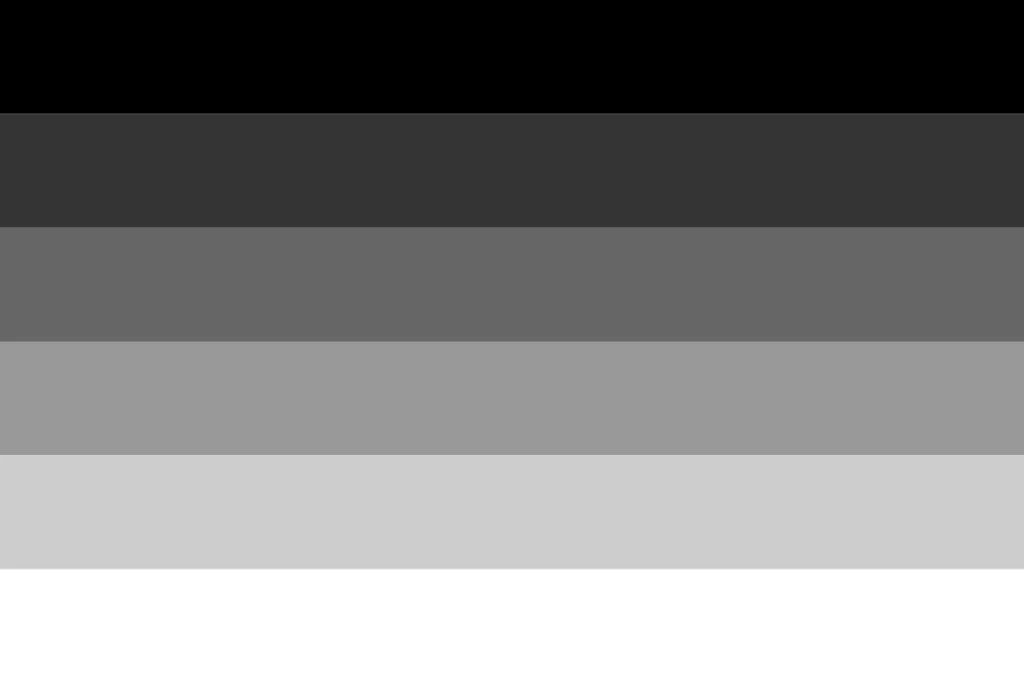
Heterosexual Pride Flag
The Heterosexual Pride Flag is associated with heterosexual or straight identity. Generally, straight describes men attracted to women and women attracted to men.
Heterosexual identity can also exist alongside other identities and experiences. For example, a person may be transgender, asexual heteroromantic, or aromantic while describing their sexual orientation in a particular way.
Straight Pride events and slogans have appeared as responses to LGBTQ+ visibility. Their history and social context have been discussed in different ways since the 1990s.
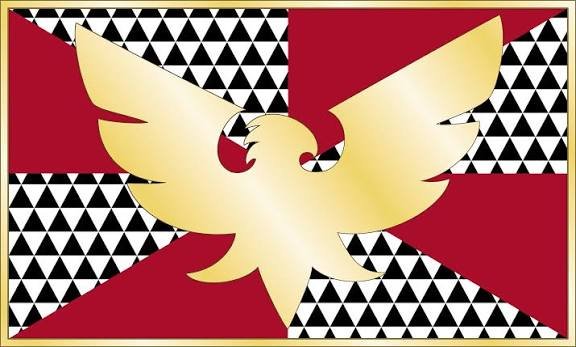
Drag Feather Pride Flag
The Drag Feather Pride Flag is an earlier and less commonly seen Drag flag. Sean Campbell created it in 1999, and it was originally called the Feather Pride Flag.
The phoenix is an important symbol in the design. It represents the rebirth of the drag community and its passion for awareness and fundraising.
Drag can involve performances of masculinity, femininity, or other forms of gender expression. Drag queens and drag kings are examples of performers associated with this art form.
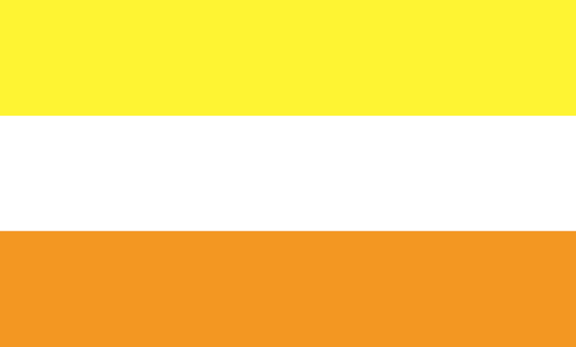
Maverique Pride Flag
The Maverique Pride Flag was created on Tumblr by Vesper H., also known as queerascat, in 2014.
Maverique describes a nonbinary or abinary gender with significant gendered experiences. It is neither male nor female and is strongly connected with autonomy and inner conviction.
Its colors represent:
- Yellow: nonbinary independence
- White: autonomy and independence from the binary
- Orange: inner conviction and individualistic nature
The flag highlights gender experiences outside traditional categories.
Bigender Pride Flag
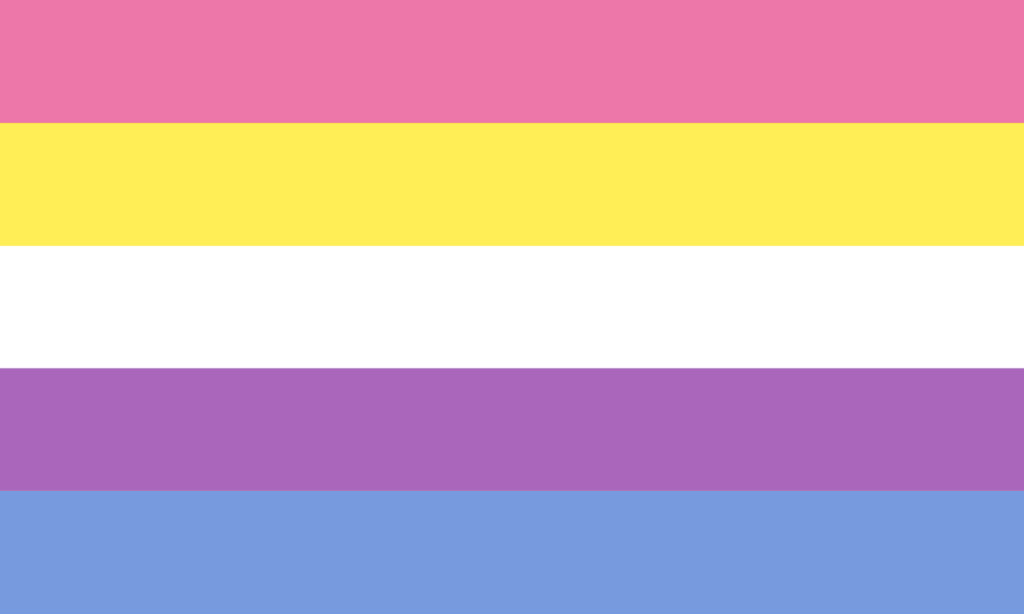
The Bigender Pride Flag represents people who identify with two different genders. These genders can be binary, nonbinary, or a combination.
A bigender person may experience both genders at the same time or move between them. The intensity of each gender can also vary.
An early version used pink, blue, and purple. Another variation includes pink, yellow, white, purple, and blue. Some color meanings are uncertain, although they are sometimes interpreted as representing femininity, masculinity, and nonbinary identity.
Graysexual Pride Flag
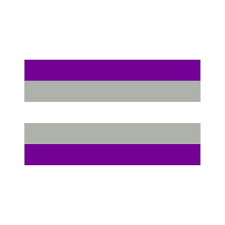
The Graysexual Pride Flag was first created by Milith Rusignuolo in 2013. Its colors include purple, gray, and white.
The design represents movement between asexuality and allosexuality. Graysexual describes someone who identifies within the asexual spectrum but does not fit the primary forms of asexuality.
The flag provides visibility for experiences that may fall between more commonly recognized categories of sexual attraction.
Genderflux Pride Flag
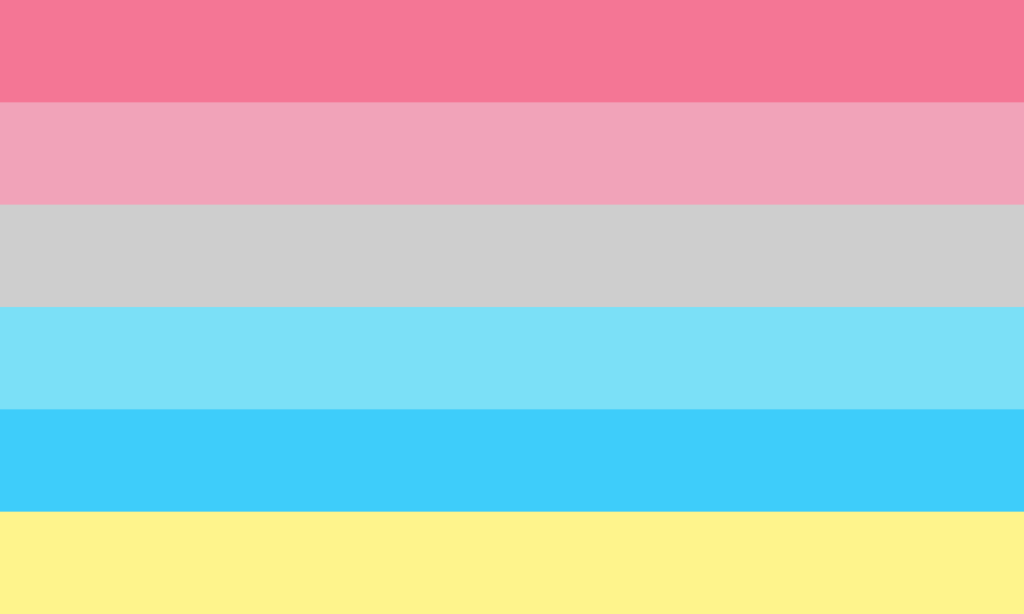
The Genderflux Pride Flag has several variations. The original and most common version contains six colors.
Its colors are associated with different gender identities:
- Dark pink: women
- Light pink: demigirls
- Gray: agender
- Light blue: demiboys
- Dark blue: men
- Yellow: nonbinary identity
Genderflux describes a gender or sense of gender whose intensity changes over time. It is an important example of a changing gender experience within all pride flags and their meanings.
Gender Queer Pride Flag
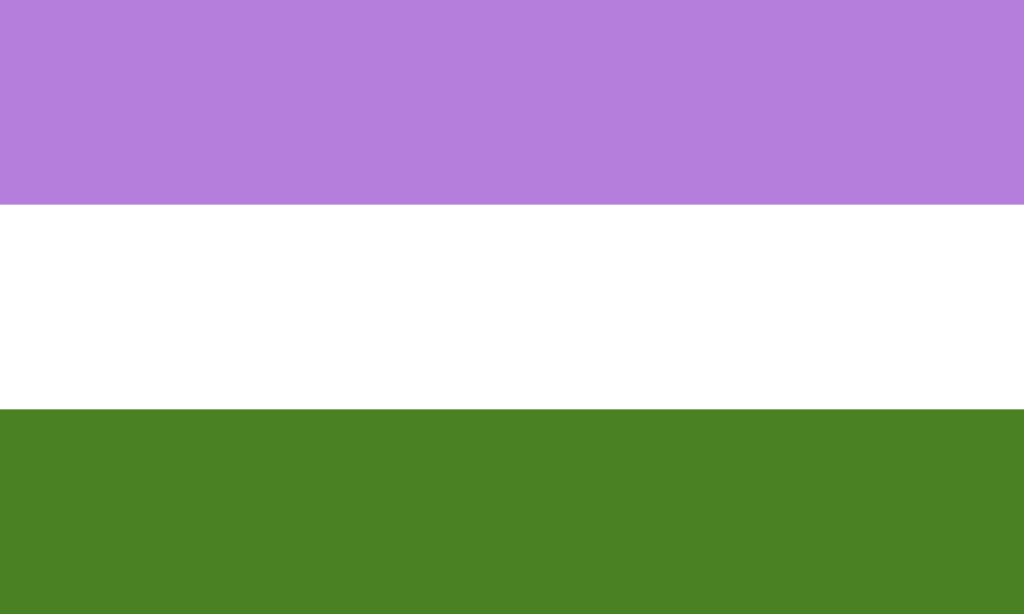
The Gender Queer Pride Flag was created in 2011 by Marilyn Roxie. It uses lavender, white, and dark chartreuse green.
Lavender represents queer identities and androgyny. White represents gender-neutral and agender identities, while chartreuse represents identities outside the traditional gender binary.
Genderqueer people may identify as neither, both, or a combination of genders. The term can also be used as an umbrella for different gender experiences.
Demiboy Pride Flag
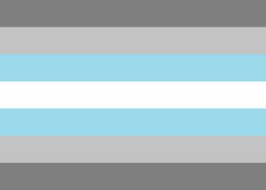
The Demiboy Pride Flag was created in 2015 by Tumblr user Transrants. It uses blue, white, and gray.
Blue represents manhood and masculinity. White represents nonbinary or agender identity, while gray represents partial connections and areas outside the traditional binary.
Demiboy can also be called demiguy, demiman, demimale, or demidude. It describes an identity connected with masculinity without necessarily being completely male.
Straight Ally Flag
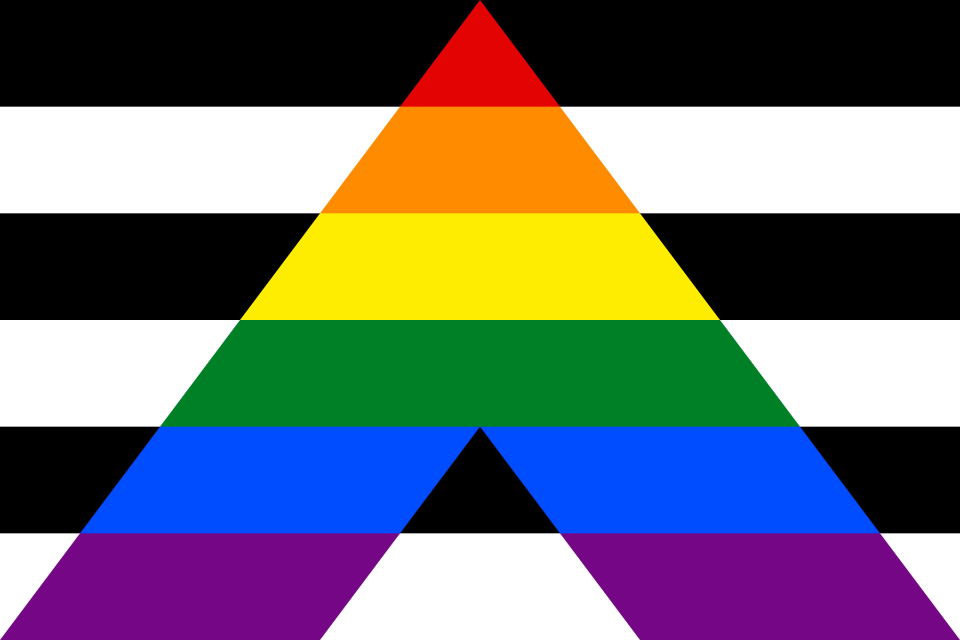
The Straight Ally Flag combines black and white with a large rainbow “A.” The letter represents the word “Ally.”
A straight ally is generally a heterosexual and/or cisgender person who supports equal civil rights, gender equality, and LGBTQ+ social movements.
Allyship can include challenging homophobia, biphobia, and transphobia. The flag therefore focuses on support rather than LGBTQ+ identity.
Pride Flag Colors and Their Symbolism
Colors are central to Pride flag designs. They can represent identities, emotions, experiences, communities, or ideas connected with a particular group.
The same color can have different meanings on different flags. For example, blue may represent masculinity on one design and a particular gender or attraction on another.
When exploring all pride flags and their meanings, always consider the symbolism of each individual flag rather than assuming every color has one universal definition.
Pride Flags and Gender Identity
Some Pride flags focus specifically on gender identity. These designs provide symbols for experiences that may fall within, outside, or between traditional gender categories.
Examples include transgender, nonbinary, bigender, genderflux, genderqueer, demiboy, and Maverique flags.
Although these identities are different, their flags demonstrate how visual symbols can communicate complex ideas about gender.
Read More: Emoji Face Meanings | Guide & Examples
Pride Flags and Sexual Orientation
Other Pride flags represent sexual orientation. These designs can communicate different experiences of attraction and sexual identity.
Bisexual, pansexual, lesbian, asexual, abrosexual, graysexual, and gay men’s flags each have their own histories and color meanings.
For readers researching all pride flags and their meanings, these designs show why a single rainbow flag cannot represent every individual experience.
Pride Flag History and Important Creators
Many Pride flags have identifiable creators and dates. Gilbert Baker created the original rainbow flag, while Monica Helms created the Transgender Flag.
Other creators include Kye Rowan, Michael Page, Morgan Carpenter, Marilyn Roxie, Sean Campbell, Vesper H., and Valentino Vecchietti.
Knowing the people and dates behind these designs adds historical context and helps explain how Pride symbolism has developed over time.
How Pride Flags Represent Community
A flag can represent more than an individual identity. It may also communicate connection to a community or support for people within that community.
Some people display flags at Pride events, in personal spaces, online, or in community settings. Others may use particular colors in clothing or artwork.
For this reason, all pride flags and their meanings can be viewed as part of a wider visual language of identity and community.
Pride Flags and Representation
Representation is an important theme across many Pride flag designs. Some flags were created because people wanted a symbol that more specifically represented their experiences.
The Philadelphia Pride Flag, for example, added black and brown stripes to highlight people of color. The Progress Pride Flag later incorporated additional elements connected with transgender, Black, brown, and intersex communities.
These developments show how symbols can change as communities seek broader representation.
Why Some Pride Flags Have Different Versions
A Pride flag may have more than one version. Designs can change because of community discussions, new interpretations, or attempts to represent a broader range of people.
The Lesbian Pride Flag is one example with multiple versions. Bigender and Progress Pride designs have also appeared in different forms.
Therefore, all pride flags and their meanings may include more than one design for a particular identity.
Less-Known Pride Flags
Some Pride flags are familiar worldwide, while others are used by smaller communities. Maverique, Graysexual, Genderflux, Demiboy, and Abrosexual flags may be less familiar to the general public.
Their smaller level of recognition does not make their symbolism unimportant to the people who use them.
Learning these designs can give readers a broader understanding of the variety within LGBTQ+ identities.
Pride Flags as Symbols of Personal Expression
People can use Pride flags in different ways. Someone may display a flag because it represents their identity, while another person may display it to show support.
A flag can also be meaningful because of personal experiences, friendships, family connections, or community involvement.
The same design may therefore have both a commonly recognized meaning and a personal meaning for the person displaying it.
Understanding Pride Flag Symbols
Pride flags often use more than colors. Circles, arrows, letters, stripes, and other shapes can carry additional symbolism.
The Intersex Flag uses a circle to represent wholeness. The Progress Pride Flag uses an arrow-shaped section to emphasize progression and inclusion.
Looking at these details can help readers understand why each design looks different and what its creator intended it to communicate.
Pride Flags and Visibility
A distinct flag can make an identity more visible. It provides a simple visual symbol that can communicate a connection without requiring a long explanation.
Flags can appear at Pride celebrations, community events, online spaces, workplaces, educational environments, and personal settings.
For some people, seeing a specific flag can also provide a sense of recognition and belonging.
How to Understand a Pride Flag
When you see an unfamiliar Pride flag, start by identifying its colors and overall design. Then look at the identity or community connected with it.
The creator and history of the design can provide additional context. It is also useful to check the meaning assigned to each color or symbol.
When researching all pride flags and their meanings, context is more useful than simply memorizing a list of colors.
Are All Pride Flags the Same?
No. Pride flags differ in their colors, symbols, history, and communities. Some represent broad LGBTQ+ identities, while others focus on specific gender identities or sexual orientations.
Some designs are widely recognized, while others are less common. Multiple versions of the same flag may also exist.
This variety is one reason all pride flags and their meanings cover such a wide range of symbols and experiences.
Why Pride Flag Designs Evolve
Pride flag designs can evolve as communities discuss representation and visibility. Changes may add colors, symbols, or elements connected with groups that were previously less visible.
The Progress Pride Flag demonstrates this development by incorporating elements from several other flags.
Changes do not necessarily erase older designs. Different versions can continue to be used by different people and communities.
Pride Flags and LGBTQ+ Diversity
The wide range of Pride flags reflects the diversity of LGBTQ+ experiences. Gender identity, sexual orientation, gender expression, and community connection can all be represented through different designs.
Some flags focus on one identity, while others bring several symbols together.
Understanding all pride flags and their meanings can help readers see why there are so many distinct designs rather than relying only on one general symbol.
What are all pride flags and their meanings?
Pride flags represent different sexual orientations, gender identities, communities, and forms of LGBTQ+ support.
What do all pride flags and their meanings represent?
Each flag uses specific colors and symbols to represent an identity, community, experience, or message of inclusion.
How many are all pride flags and their meanings?
There are many Pride flags, and this guide explains 23 commonly recognized flags and the meanings behind their designs.
What are the colors of all pride flags and their meanings?
Pride flag colors vary by design, with each color carrying a specific meaning connected to identity, community, history, or representation.
What is the original all pride flags and their meanings flag?
The original rainbow Pride Flag was created by Gilbert Baker in 1978 and featured eight colors with individual symbolic meanings.
What is the difference between all pride flags and their meanings?
The flags differ because they represent different identities, including transgender, bisexual, lesbian, nonbinary, intersex, and asexual communities.
Why are all pride flags and their meanings important?
They provide visibility and representation while helping people recognize and understand the diversity of LGBTQ+ identities and communities.
Which are the most recognized all pride flags and their meanings?
The Rainbow, Progress, Transgender, Bisexual, Lesbian, Pansexual, Nonbinary, and Asexual flags are among the widely recognized designs.
How can I learn all pride flags and their meanings?
You can learn them by studying each flag’s colors, symbolism, history, and the identity or community it represents.
What does the rainbow in all pride flags and their meanings symbolize?
The rainbow is widely associated with LGBTQ+ Pride, diversity, visibility, inclusion, and the broad range of identities within the community.
Conclusion
Learning all pride flags and their meanings offers a useful way to understand the history, identities, and communities represented through these colorful symbols. Each design carries its own story.
From Gilbert Baker’s rainbow flag to newer and lesser-known designs, all pride flags and their meanings show how communities use color and symbolism to express identity, visibility, inclusion, and support.

MeaningShelf shares meaningful quotes, thoughtful messages, and helpful word meanings, managed by Lily Anderson, an SEO content writer with 2 years of experience, creating engaging content that inspires readers and helps them find the right words for every moment.
2 thoughts on “23 Pride Flags and Their Meanings Explained”